
Design
X
Engineering.
Product-Driven Thinking.
End-to-End Execution.
Trusted to design, build, and deliver.


Design Decisions
That Drive
Real Outc
mes.
It bridges UX thinking, real-world execution, and shared ownership with cross-functional teams.

A hybrid product profile operating at the intersection of design, engineering, and product.
Strong ownership from concept to delivery. Focused on clarity, collaboration, and production-ready execution.
Expertise
UI/UX Clarity

Front-End

Ownership

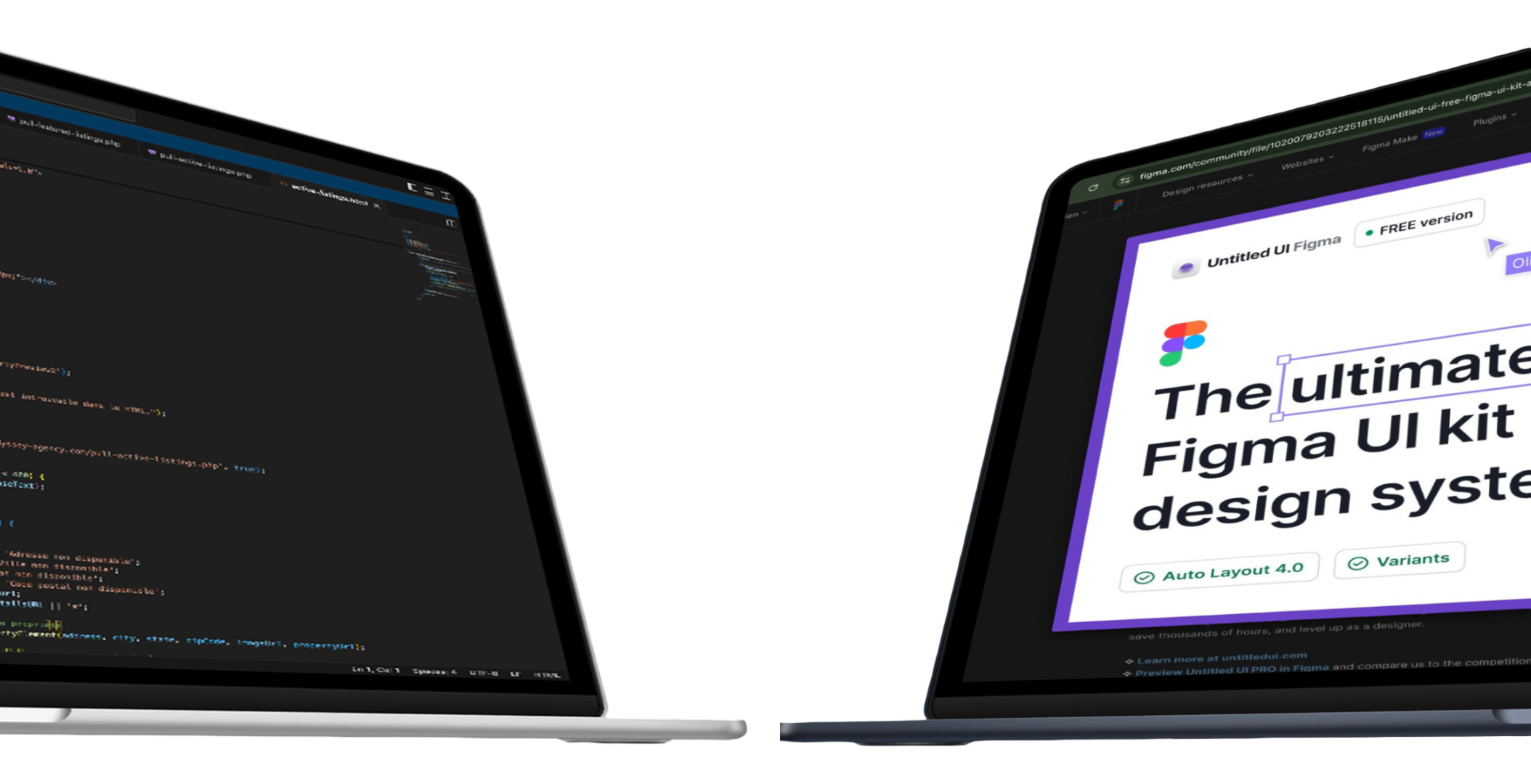
Product Thinking,
End To End.
Hybrid design and engineering profile with 4+ years of experience and a Master’s degree in Computer Science. Specializes in designing and delivering high-quality websites, scalable UI systems, and conversion-focused digital products, combining visual craft, UX clarity, and strong technical awareness to ensure polished, production-ready experiences.





002
beach
003
nature
Frequently Asked Questions
How do you approach complex user experiences?
I focus on reducing complexity through clear information hierarchy, progressive disclosure, and intentional user flows. The goal is not to simplify the problem, but to simplify the user’s
interaction with it.
How do you balance aesthetics and usability?
Visual design supports usability, not the other way around. Every visual decision is tied to readability, clarity, or interaction efficiency, especially in high-stakes or data-heavy interfaces.
How do you design for real-world constraints?
I design with context in mind from the start, including environment, device limitations, accessibility, and user attention. Constraints are treated as design inputs, not limitations.
How do you ensure consistency across large products?
I rely on scalable design systems and reusable components, combined with clear rules rather than rigid patterns. This allows consistency without limiting flexibility.
What defines senior-level UX in your work?
Decision-making. Senior UX is less about producing screens and more about knowing what not to design, what to prioritize, and how design choices impact users and the business.
How does your dev background influence your design work?
It ensures feasibility. I design experiences that can realistically be built, scaled, and maintained, which reduces friction between design and engineering teams.
How do you handle performance in data-driven applications?
Performance is considered early in the design phase. UI structure, data loading patterns, and interaction logic are designed to avoid unnecessary complexity and bottlenecks.
How do you approach front-end architecture?
I favor clear, component-based structures that are predictable and maintainable. The goal is to make interfaces easier to evolve without introducing technical debt.
How do you work with complex APIs or external platforms?
I design interfaces around data availability and constraints rather than idealized scenarios. This ensures reliable behavior even when data is incomplete or delayed.
What matters most to you in web development?
Clarity and reliability. Clean logic, readable code, and predictable behavior matter more than over-engineered solutions.
How do you start a new project?
By understanding the problem, constraints, and success criteria before thinking about solutions. Early alignment prevents unnecessary redesign later.
How do you collaborate with engineering teams?
Through constant alignment. I involve engineering early to validate assumptions, discuss trade-offs, and ensure smooth handoff or implementation.
How do you define an MVP?
An MVP focuses on the smallest set of features that delivers real value while remaining technically sound and extensible.
How do you handle feedback and iteration?
I prioritize feedback that aligns with user needs and project goals. Not all feedback should result in changes, but all feedback should be evaluated.
What makes your process effective?
It is pragmatic and adaptable. I adjust the process to the project, the team, and the constraints rather than forcing a rigid framework.